
Low-Code Multi-Agent Guide: Build AI Collaboration
Build powerful multi-agent systems visually. Learn Multi-Agent concepts, collaboration patterns, and create enterprise AI apps with Tencent Cloud ADP.


Introduction: From Single AI to Team Collaboration
Remember the first time you used AI? A single AI that could answer questions, write articles, and analyze data. But as you used it more, you might have noticed that a single AI sometimes struggles with complex tasks—
- Ask it to write an in-depth article, and research and writing quality may suffer
- Ask it to analyze data, and it lacks professional visualization capabilities
- Ask it to handle complex tasks, and it often only excels in one aspect
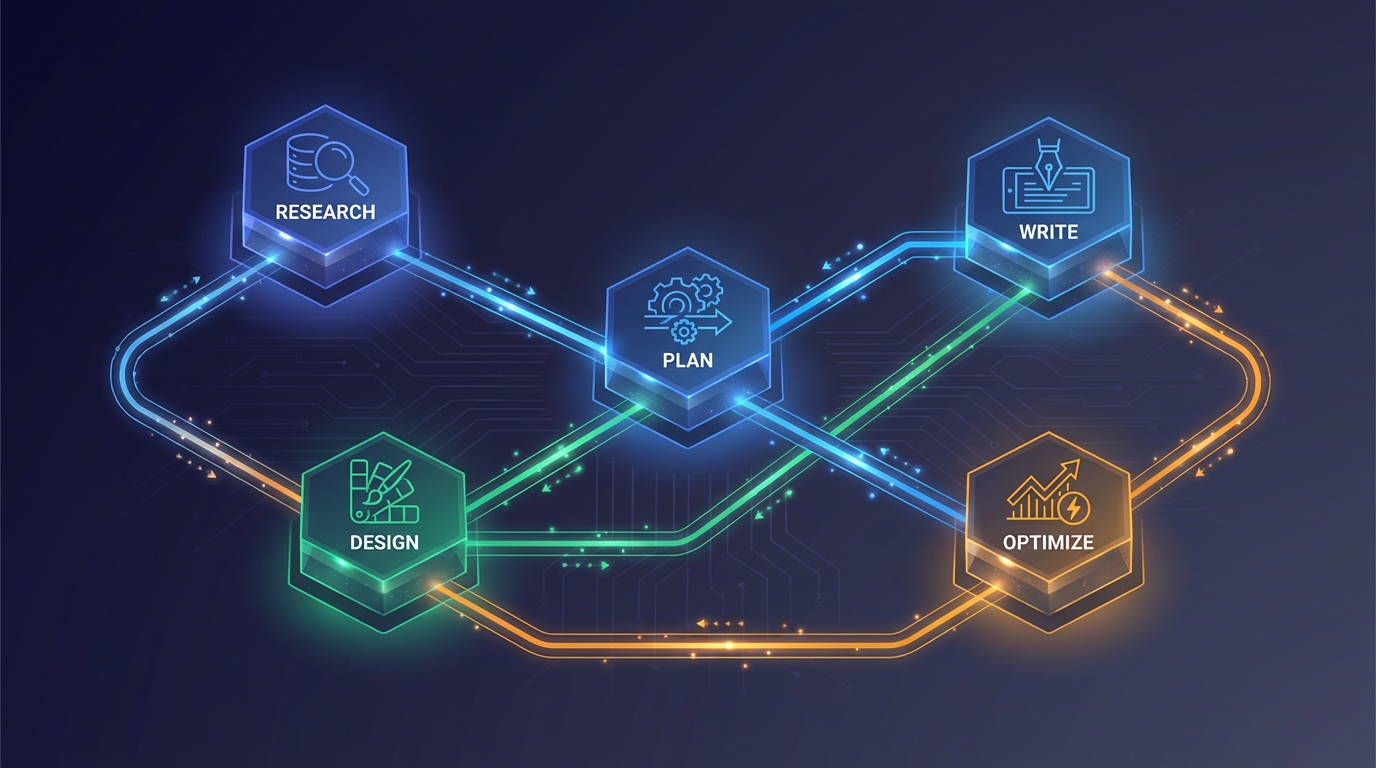
This is where Multi-Agent comes in: instead of having one AI handle everything, let multiple specialized AIs work together, each handling what they do best.
The good news? With low-code platforms, you can build your own Multi-Agent system without writing a single line of code!
Part 1: What is Multi-Agent? A Simple Explanation
1.1 A Vivid Analogy
Imagine you're organizing a company annual party:
Traditional approach (Single Agent): You handle everything alone—finding a venue, planning the menu, creating presentations, sending invitations, decorating... Exhausting and impossible to do well.
Multi-Agent approach: You build a dedicated team—
- Venue Coordinator: Handles venue booking and setup
- Catering Specialist: Manages menu and food arrangements
- Design Expert: Creates invitations and presentations
- Communications Lead: Sends invitations and reminders
- Project Manager: Oversees everything and ensures smooth coordination
Each person focuses on their specialty, and together they deliver a perfect event.
Multi-Agent systems work the same way—multiple specialized AI agents, each with their own role, working together.
1.2 Core Advantages of Multi-Agent
| Feature | Single Agent | Multi-Agent |
|---|---|---|
| Expertise Depth | Jack of all trades | Master of each domain |
| Task Complexity | Handles simple tasks | Tackles complex workflows |
| Scalability | Hard to extend | Easily add new agents |
| Maintainability | Changes affect everything | Modular, easy to update |
| Collaboration | None | Smart teamwork |
1.3 Ideal Scenarios for Multi-Agent
✅ Content Creation Pipeline: Research Agent → Writing Agent → Review Agent → Formatting Agent
✅ Smart Customer Service: Intent Recognition Agent → Expert Answer Agent → Emotional Support Agent → Ticket Agent
✅ Data Analysis Assistant: Data Collection Agent → Cleaning Agent → Analysis Agent → Visualization Agent
✅ Office Automation: Email Agent → Calendar Agent → Meeting Notes Agent → Task Assignment Agent
Part 2: Low-Code Multi-Agent Platforms
Many excellent low-code platforms now make it easy for anyone to build Multi-Agent systems.
2.1 Platform Comparison
| Platform | Highlights | Best For | Difficulty |
|---|---|---|---|
| 🔥 Tencent Cloud ADP | Enterprise-grade Multi-Agent platform, one-stop AI development, deep Tencent Cloud integration | Enterprise intelligence, complex workflows, production apps | ⭐ Easy |
| Coze | ByteDance product, user-friendly | Chatbots, content creation | ⭐ Easy |
| Dify | Open-source, self-hostable | Enterprise applications | ⭐⭐ Medium |
| FastGPT | Strong knowledge base features | Q&A, customer service | ⭐⭐ Medium |
| Baidu Qianfan | Chinese LLM ecosystem | Enterprise applications | ⭐⭐ Medium |
2.2 Why Tencent Cloud ADP?
As Tencent Cloud's enterprise-grade AI development platform, Tencent Cloud ADP (AI Development Platform) offers unique advantages in the Multi-Agent space:
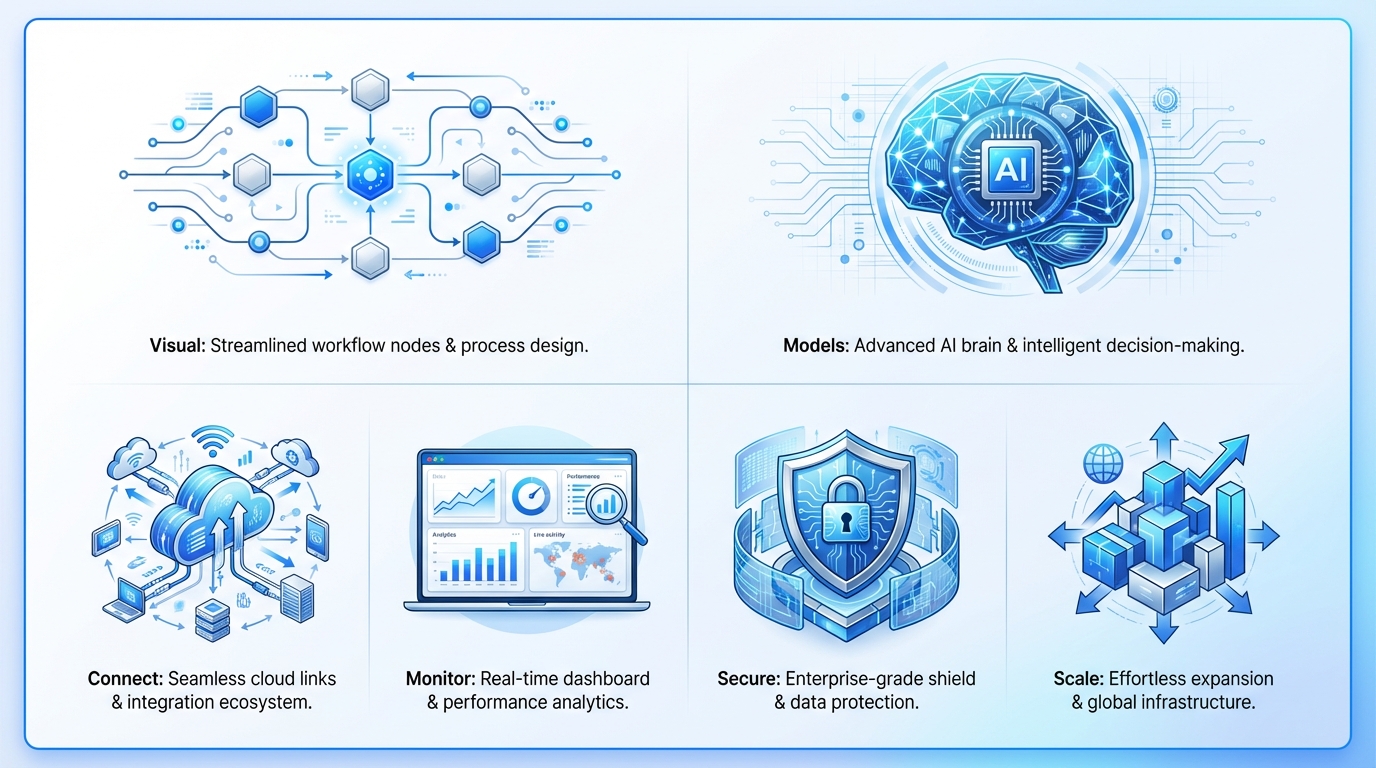
| Advantage | Description |
|---|---|
| 🎨 Visual Agent Orchestration | Drag-and-drop workflow design, build complex Multi-Agent systems with zero code |
| 🧠 Multi-Model Support | Built-in DeepSeek, plus access to Gemini, GPT and other leading LLMs via Model Marketplace |
| 🔗 Enterprise Integration | Native connectivity to Tencent Cloud databases, storage, and security services—ready out of the box |
| 📊 Full-Chain Monitoring | Real-time agent execution tracking with comprehensive logging and debugging |
| 🔒 Security & Compliance | Enterprise-grade data security meeting financial and government compliance requirements |
| 🚀 Elastic Scaling | Built on Tencent Cloud infrastructure, easily handle high-concurrency scenarios |
2.3 Common Features of Low-Code Platforms
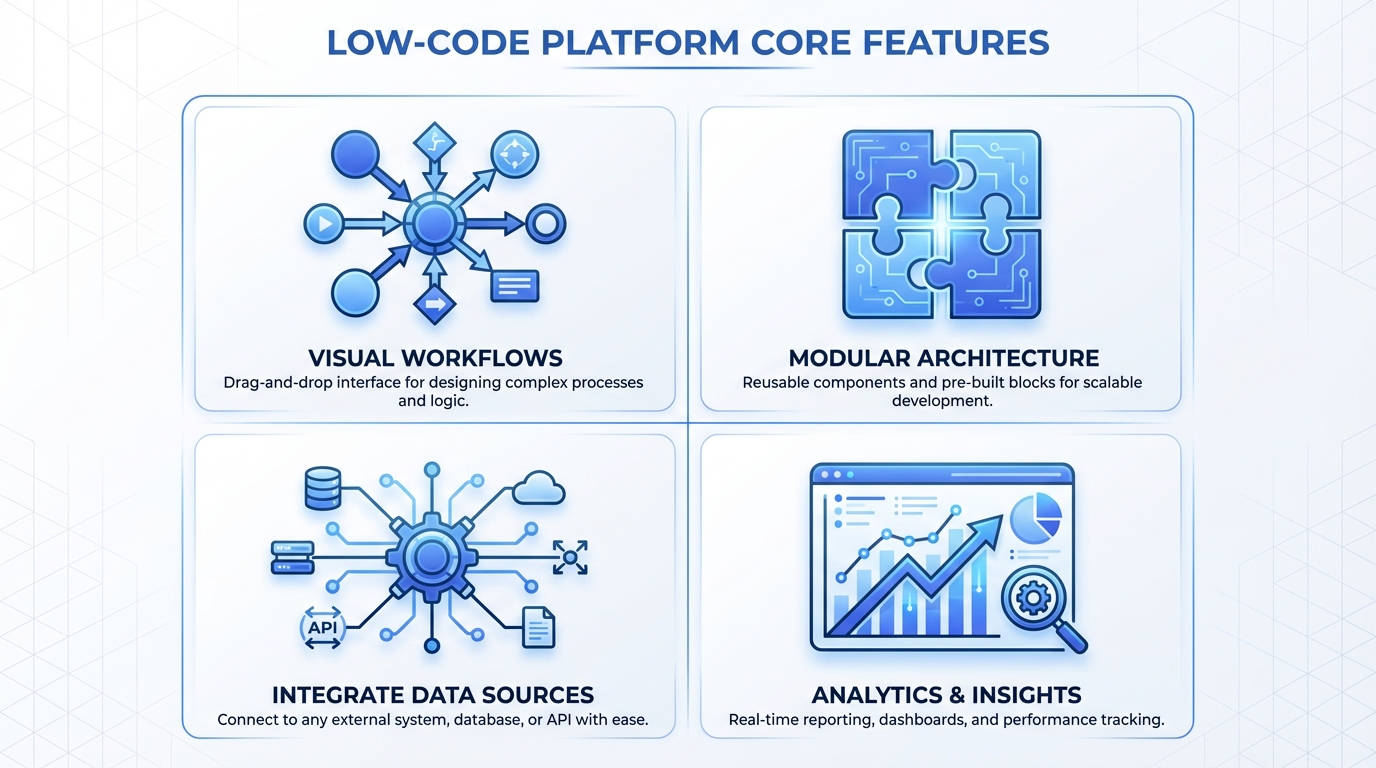
🎨 Visual Workflow Builder
- Drag-and-drop interface
- Flowchart-style design
- Real-time preview and debugging
🧩 Modular Components
- Pre-built agent templates
- Rich plugin marketplace
- One-click reuse of community creations
🔗 Easy Integrations
- No API development knowledge needed
- One-click connections to popular tools
- Webhook and automation support
📊 Operations & Monitoring
- Conversation logs and analytics
- User feedback collection
- Continuous optimization
Part 3: Multi-Agent Collaboration Patterns
In low-code platforms, Multi-Agent systems typically use these collaboration patterns:
3.1 Sequential Pattern (Pipeline)
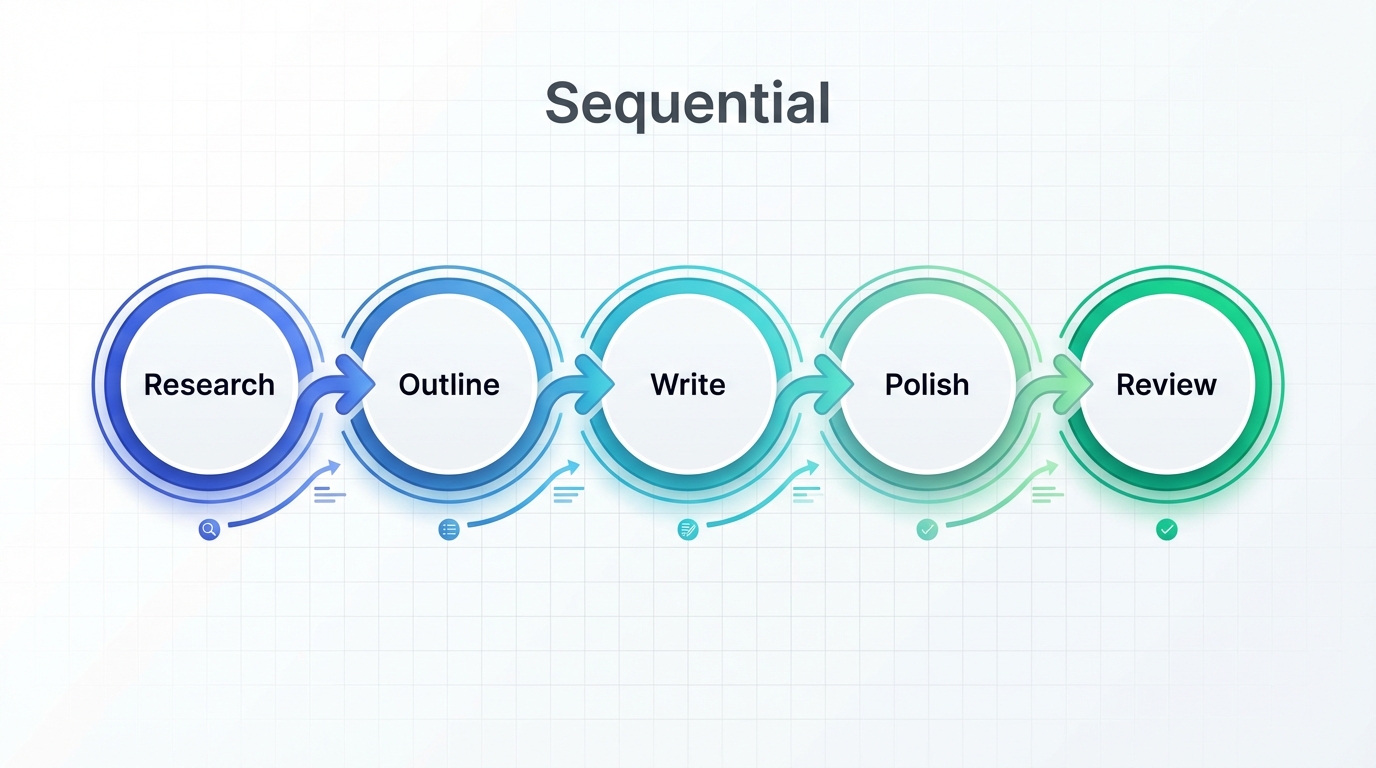
How it works: Agent A completes its task, passes output to Agent B, and so on.
Typical scenario: Content creation pipeline
User inputs topic
    ↓
[Research Agent] → Gather relevant information
    ↓
[Outline Agent] → Create article structure
    ↓
[Writing Agent] → Draft the content
    ↓
[Polish Agent] → Improve language and flow
    ↓
[Review Agent] → Check facts and grammar
    ↓
Final article output
Configuration tips:
- Define clear role positioning and task descriptions for each agent
- Plan the agent execution sequence properly
- Use debugging features to verify output quality at each step
3.2 Parallel Pattern (Simultaneous Execution)
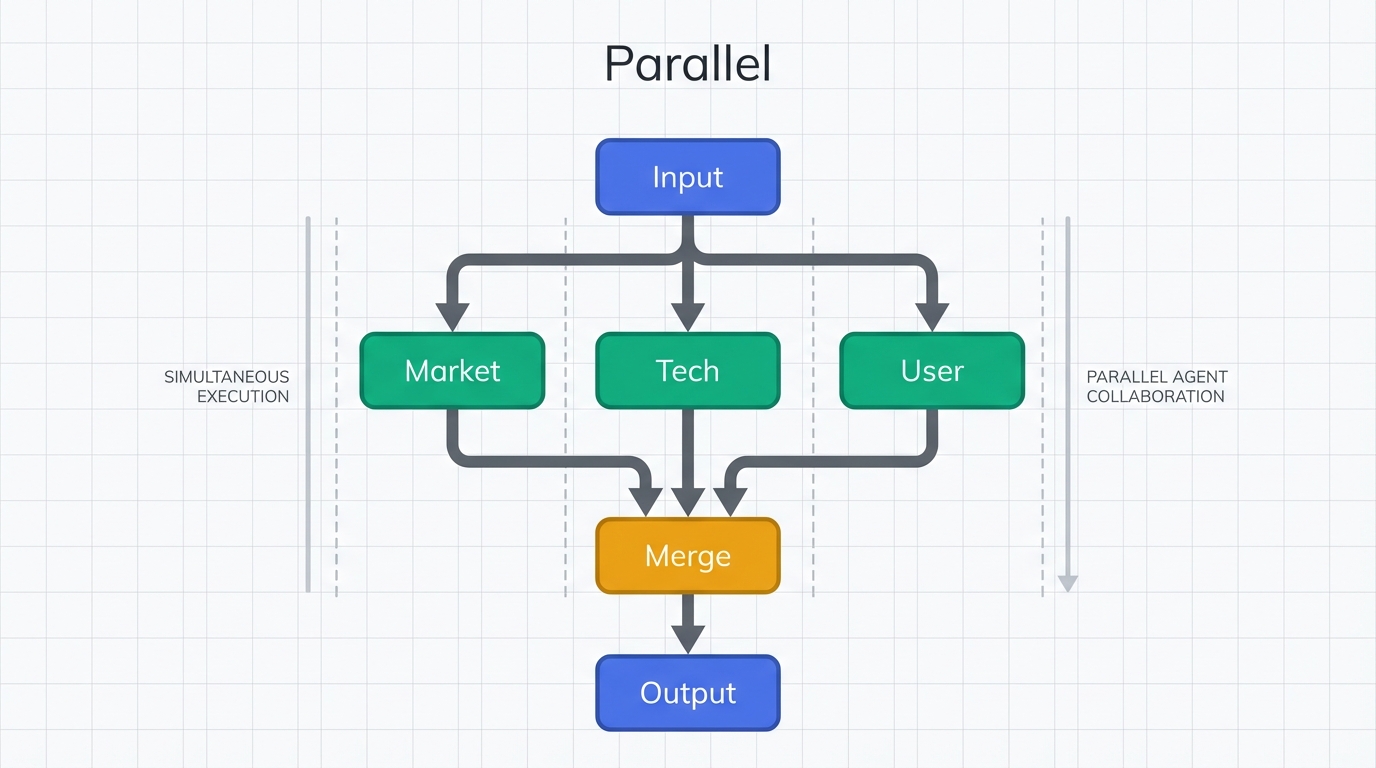
How it works: Multiple agents work simultaneously, results are combined at the end.
Typical scenario: Multi-dimensional analysis
        User asks: "Analyze this product"
                    ↓
    ┌───────────────┼───────────────┐
    ↓               ↓               ↓
[Market Agent]  [Tech Agent]   [User Agent]
Analyze trends  Analyze specs  Analyze reviews
    ↓               ↓               ↓
    └───────────────┼───────────────┘
                    ↓
            [Summary Agent]
         Combine all insights
                    ↓
        Output comprehensive report
Configuration tips:
- Split tasks appropriately for parallel execution
- Design clear result aggregation logic
- Handle timeouts for parallel tasks
3.3 Router Pattern (Smart Dispatch)
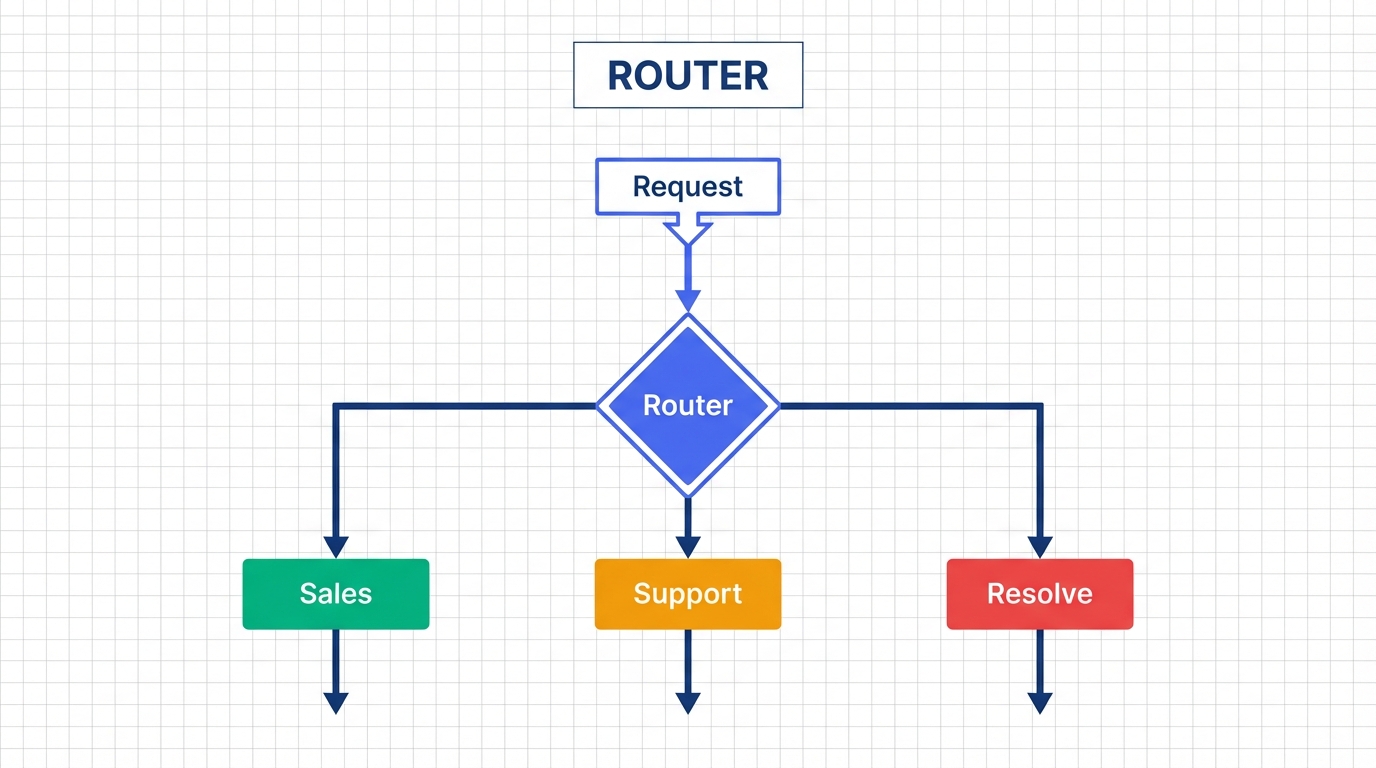
How it works: Based on user intent, intelligently route to the appropriate agent.
Typical scenario: Smart customer service
        User inquiry
            ↓
    [Intent Recognition Agent]
    Determine inquiry type
            ↓
    ┌───────┼───────┐
    ↓       ↓       ↓
  Pre-    Post-   Complaint
  sales   sales   Handling
    ↓       ↓       ↓
[Product] [Support] [Resolution]
 Agent     Agent     Agent
Configuration tips:
- Ensure accurate intent classification
- Set up fallback handling
- Support human handoff
3.4 Hierarchical Pattern (Manager-Worker)
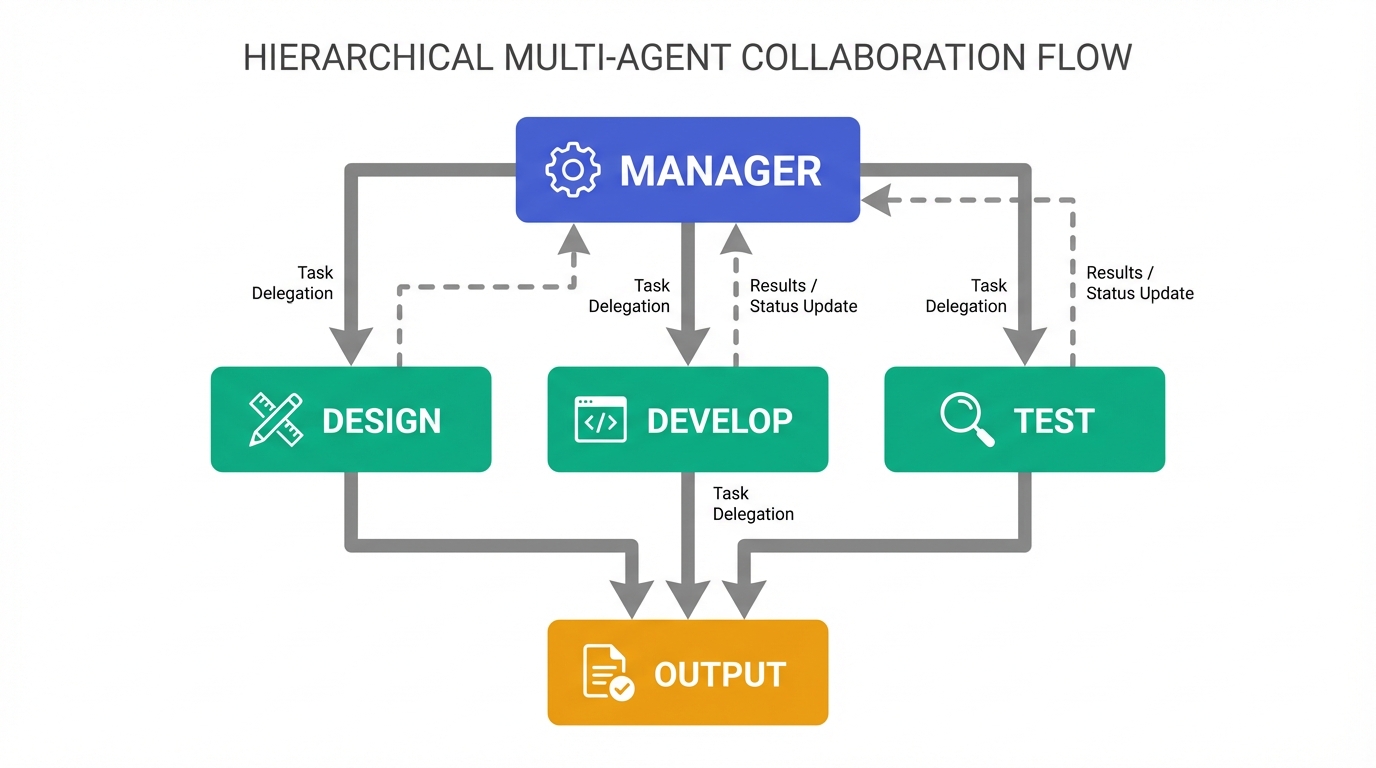
How it works: Main agent breaks down and assigns tasks, worker agents execute.
Typical scenario: Complex project management
            User request
                ↓
        [Project Manager Agent]
        Understand and decompose tasks
                ↓
    ┌─────────┼─────────┐
    ↓         ↓         ↓
[Design]  [Development] [Testing]
 Agent      Agent        Agent
    ↓         ↓         ↓
    └─────────┼─────────┘
              ↓
      [Project Manager Agent]
      Review and deliver results
Part 4: Hands-On: Building a Content Creation Multi-Agent
Let's walk through a concrete example of building a Multi-Agent system on a low-code platform.
4.1 Requirements Analysis
Goal: Create an automated content creation assistant that can:
- Research topics
- Generate structured outlines
- Write quality content
- Suggest images
- Provide SEO recommendations
4.2 Agent Role Design
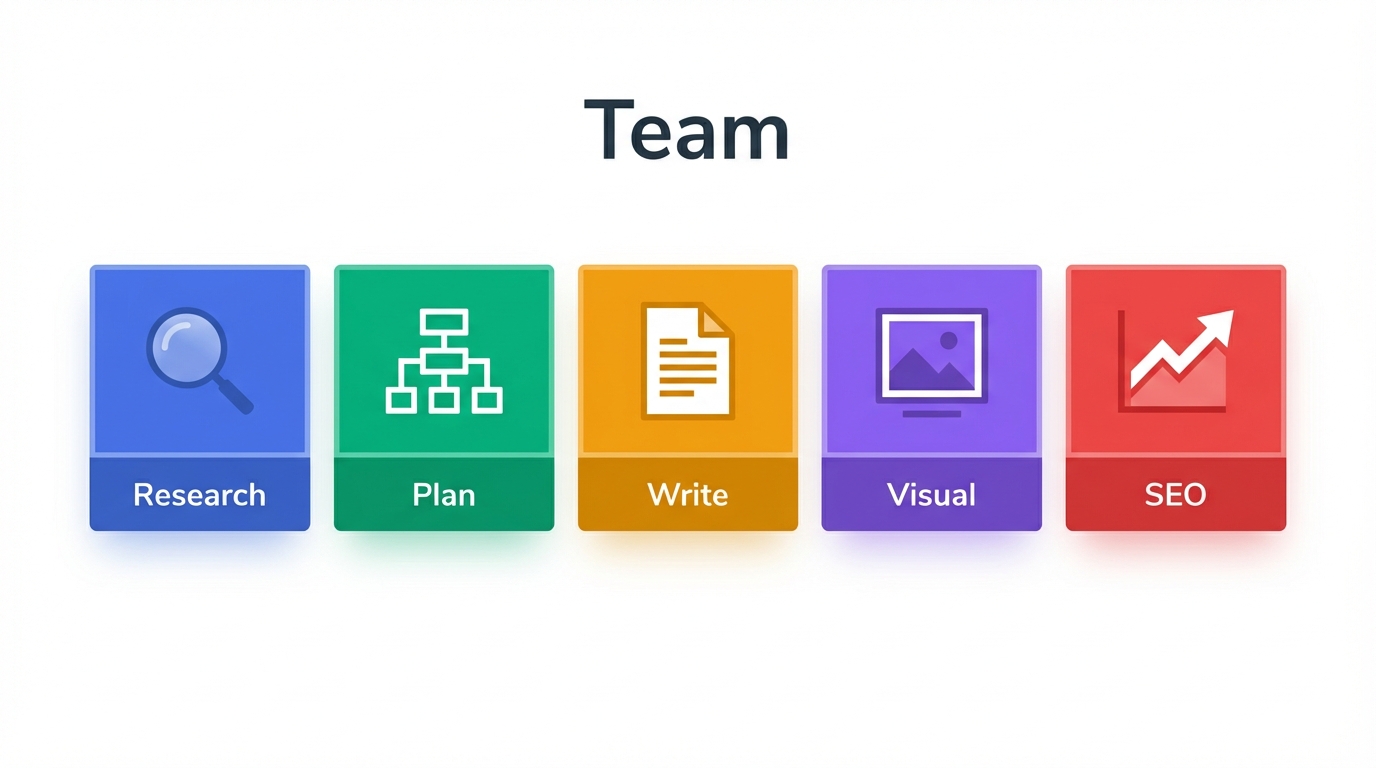
| Agent Name | Responsibility | Core Capability |
|---|---|---|
| Research Expert | Gather topic information | Web search, info synthesis |
| Outline Planner | Design article structure | Logical thinking, structured output |
| Content Writer | Draft the article | Copywriting, style control |
| Visual Advisor | Image and layout suggestions | Image descriptions, layout design |
| SEO Expert | Search optimization tips | Keywords, title optimization |
4.3 Application Design
Step 1: Create a Multi-Agent Application
In Tencent Cloud ADP:
- Log in to the platform console
- Click "New Application"
- Select "Multi-Agent Mode"
Step 2: Configure Each Agent
Research Expert Configuration Example:
Role Definition:
You are a senior content researcher, skilled at quickly
gathering and organizing information.

Task Description:
Based on the user's topic, conduct comprehensive research
and output:
1. Topic background
2. Core knowledge points (3-5)
3. Latest industry trends
4. Relevant data and case studies

Output Format:
Please output research results in structured markdown format.
Outline Planner Configuration Example:
Role Definition:
You are an experienced content strategist, skilled at
designing engaging article structures.

Task Description:
Based on the research results, design a complete article
outline including:
1. Compelling title (main + subtitle)
2. Article structure (3-5 main sections)
3. Key points for each section
4. Estimated word count distribution

Output Format:
Please output in clear hierarchical outline format.
Configuration examples for other Agents are not detailed here...
Step 3: Connect Agent Workflow
On the workflow canvas, connect agent nodes in sequential mode:
Start → Research Expert → Outline Planner → Content Writer → Visual Advisor → SEO Expert → EndStep 4: Debug and Publish
- Use built-in debugging to test each agent's output
- Verify smooth information flow between agents
- Once confirmed, click publish to go live
4.4 Testing and Optimization
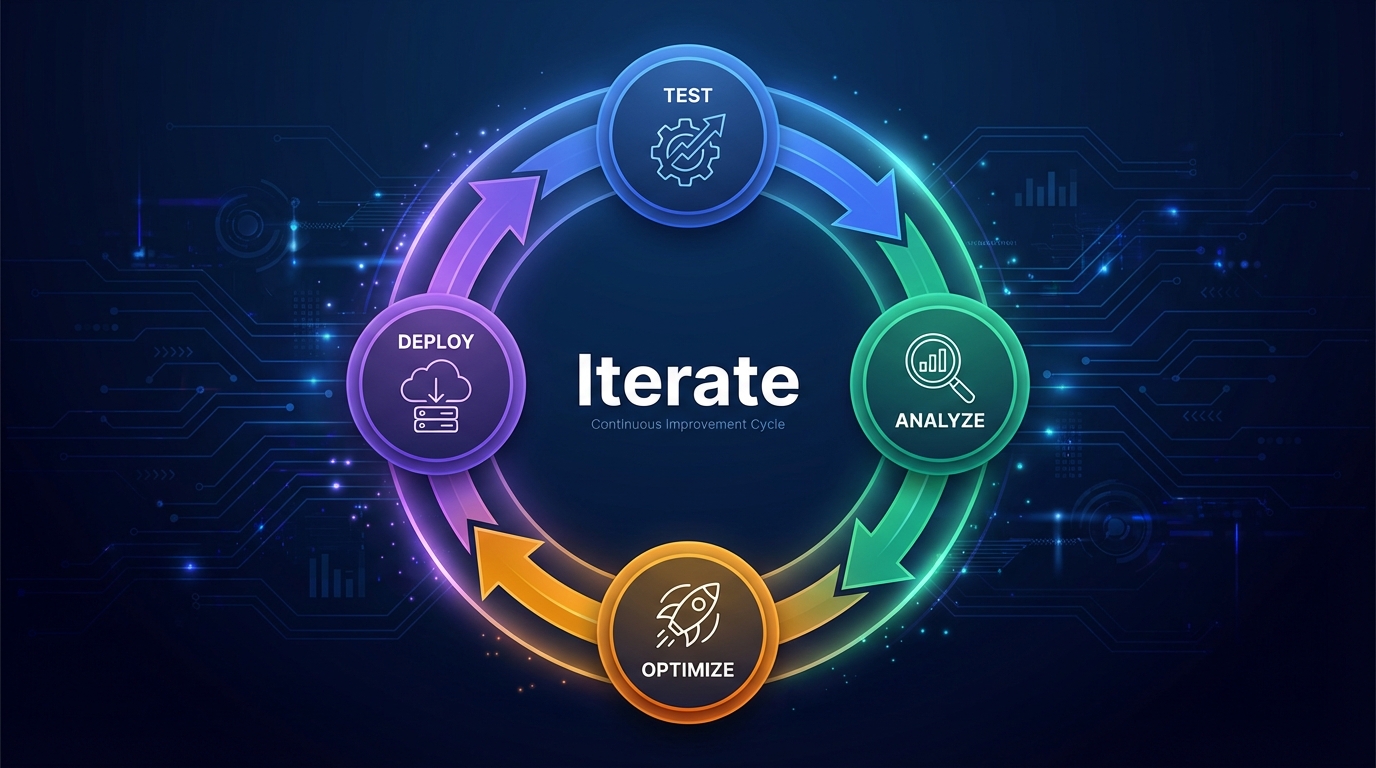
Testing checklist:
- Test with different topic types
- Check output quality of each agent
- Observe overall collaboration flow
- Note areas needing improvement
Common optimization areas:
- Adjust prompts for better outputs
- Optimize context passing to reduce information loss
- Add conditional branches for special cases
- Set up retry mechanisms for stability
Part 5: Advanced Tips and Best Practices
5.1 Agent Prompt Optimization
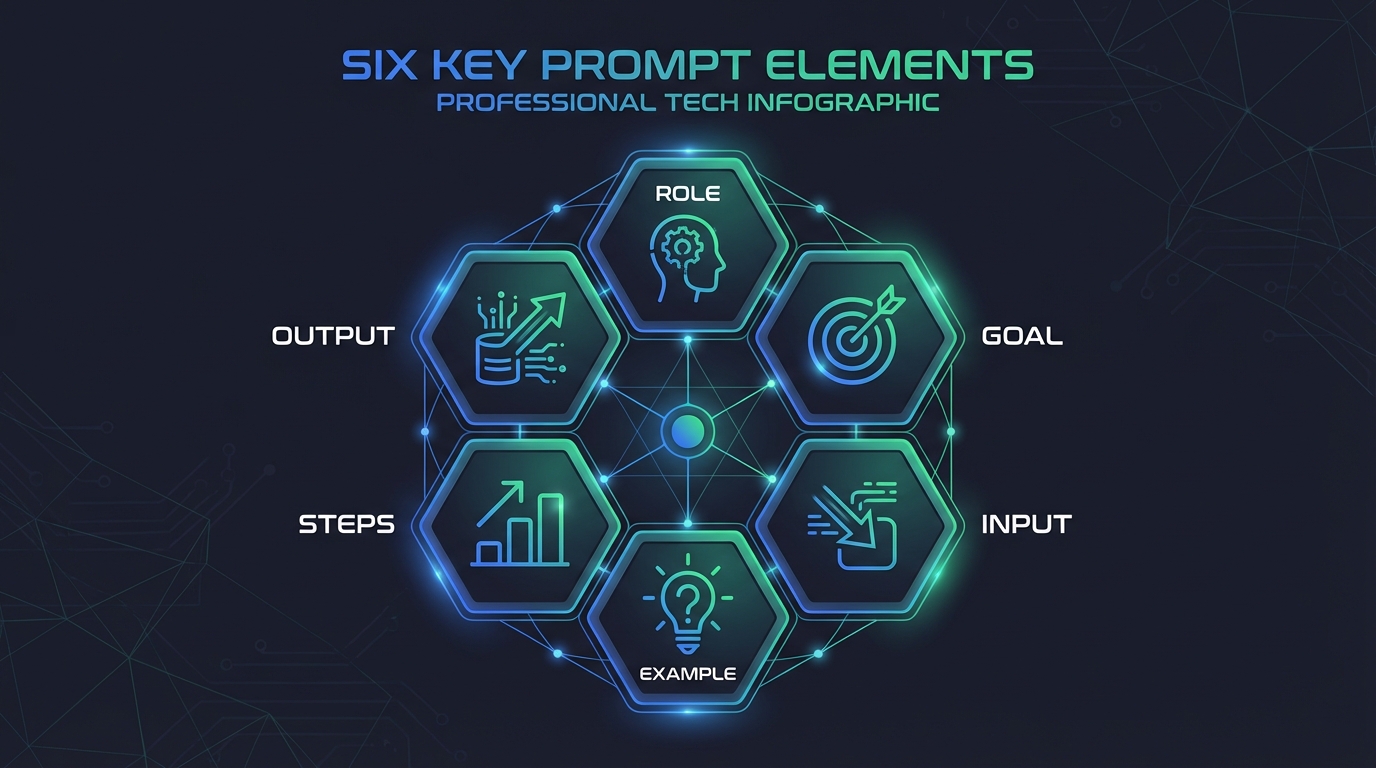
Structured Prompt Template:
## Role Definition
You are [role name], with [core capabilities],
specializing in [domain].

## Task Objective
[Clearly describe the task goal]

## Input Information
You will receive:
- [Input 1]: [Description]
- [Input 2]: [Description]

## Processing Steps
1. [Step 1]
2. [Step 2]
3. [Step 3]

## Output Requirements
- Format: [Specify format]
- Length: [Word count]
- Style: [Language style]

## Notes
- [Note 1]
- [Note 2]

## Example
[Provide an input/output example]
5.2 Common Issues and Solutions
| Issue | Cause | Solution |
|---|---|---|
| Inconsistent outputs | Vague prompts | Add constraints and examples |
| Context loss | Variable config errors | Check variable reference syntax |
| Slow response | Too many sequential nodes | Consider parallelization |
| Unexpected results | Unclear role definition | Define clear agent boundaries |
| Poor collaboration | Inconsistent output formats | Standardize output specifications |
5.3 Performance Optimization Tips
1. Use Caching Wisely
- Enable result caching for repeated queries
- Set appropriate cache expiration times
2. Async Processing
- Use async execution for non-critical paths
- Leverage parallel mode for efficiency
3. Tiered Processing
- Answer simple questions directly
- Only trigger Multi-Agent for complex tasks
4. Monitoring & Alerts
- Set up response time monitoring
- Configure exception notifications
Part 6: Real-World Case Studies
6.1 Case Study: E-commerce Customer Service
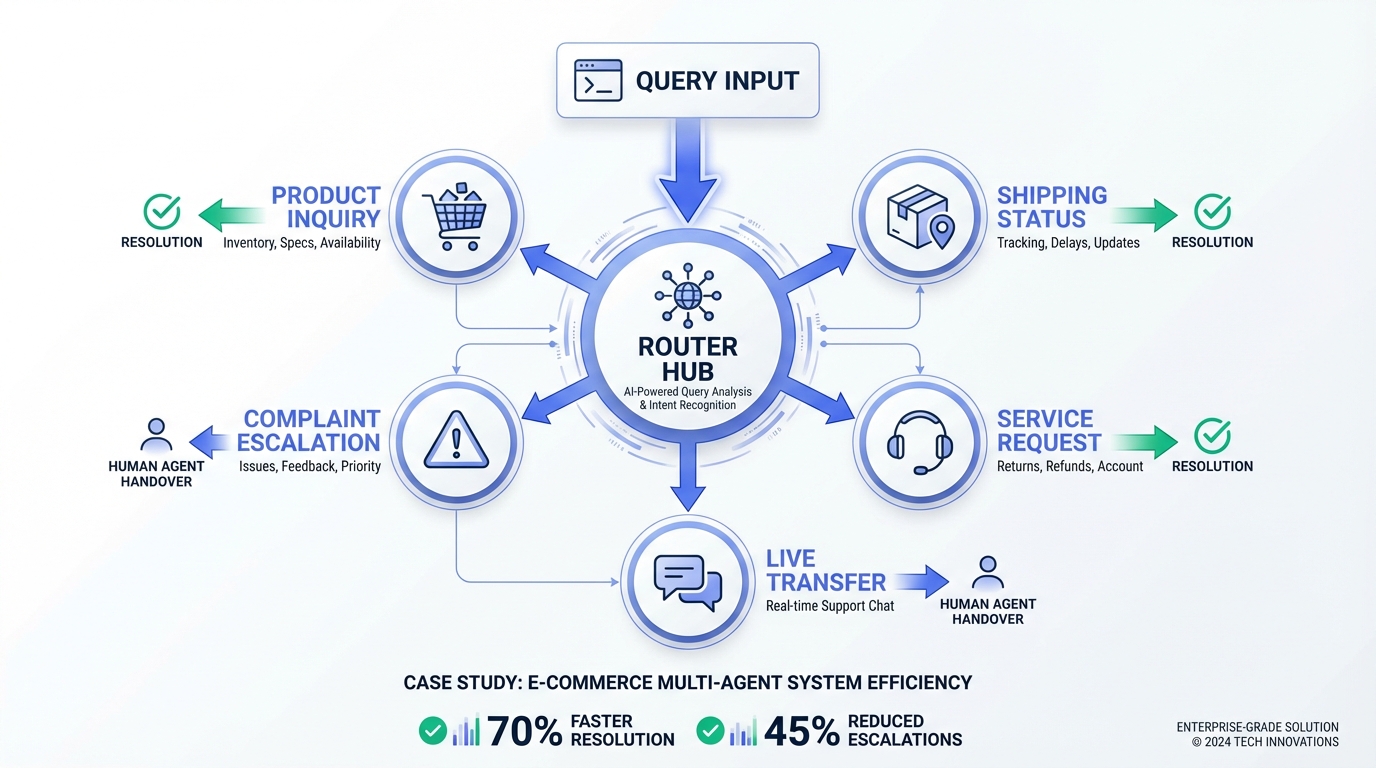
Background: An e-commerce platform with 100k+ daily inquiries, overwhelming human agents.
Solution:
- Intent Recognition Agent: Classify inquiry types
- Product Inquiry Agent: Answer product questions
- Logistics Agent: Handle order and shipping queries
- After-sales Agent: Process returns and exchanges
- Emotional Support Agent: Handle complaints
Results:
- Automation rate: 85%
- Average response time: <3 seconds
- Customer satisfaction: 92%
6.2 Case Study: Content Factory for Social Media
Background: A content team needs daily posts across multiple platforms.
Solution:
- Topic Agent: Recommend topics based on trends
- Research Agent: Gather materials and data
- Writing Agent: Generate drafts
- Adaptation Agent: Customize for different platforms
- Review Agent: Check content compliance
Results:
- 5x increase in content output
- Humans only needed for final review
- One-click multi-platform publishing
6.3 Case Study: Enterprise Knowledge Assistant
Background: Company knowledge scattered, employees struggle to find information.
Solution:
- Question Understanding Agent: Parse user queries
- Knowledge Retrieval Agent: Match answers from knowledge base
- Answer Generation Agent: Compose responses
- Follow-up Agent: Guide users to clarify needs
- Feedback Agent: Continuously improve knowledge base
Results:
- 80% improvement in knowledge discovery
- 50% reduction in new employee training time
- Significantly increased knowledge reuse
Part 7: Future Outlook
7.1 Multi-Agent Development Trends
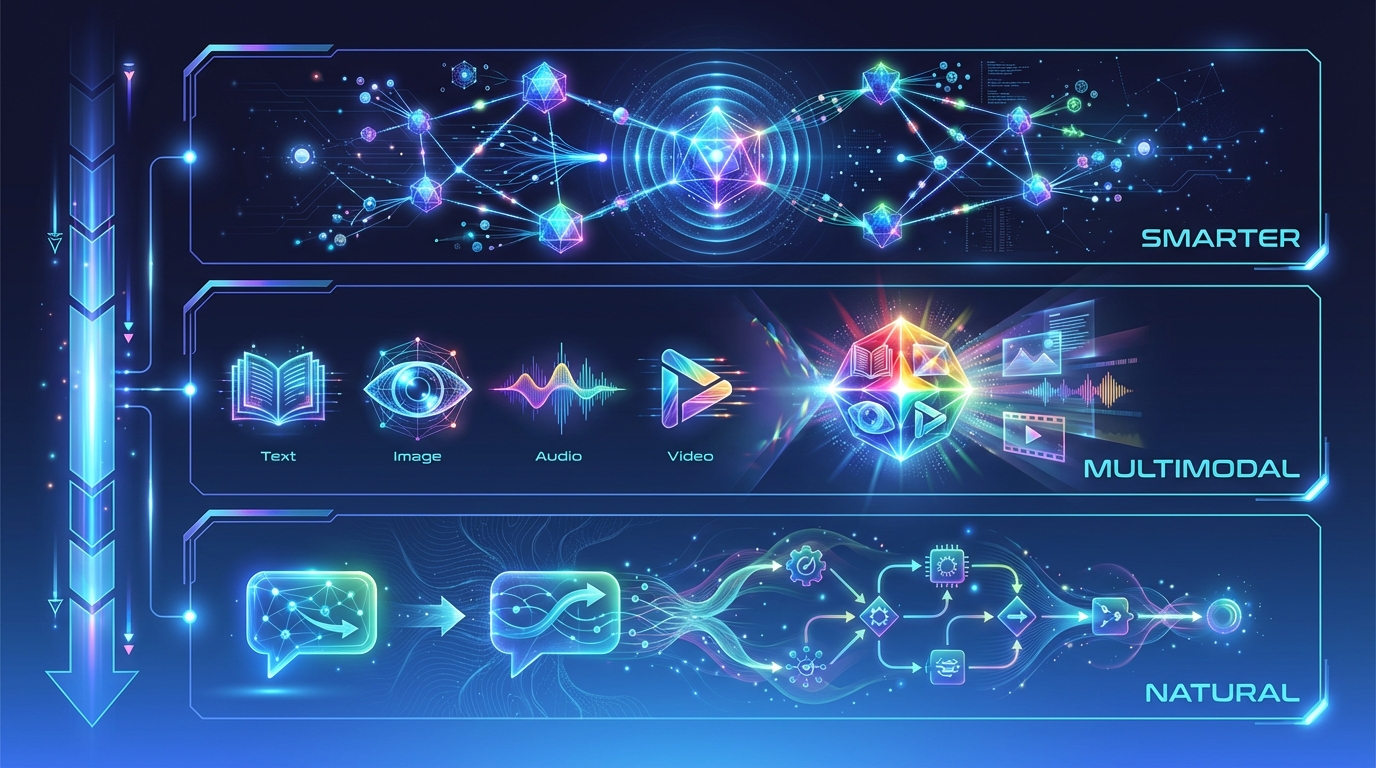
Smarter Collaboration
- Agents autonomously negotiate and assign tasks
- Dynamic collaboration strategy adjustment
- Self-learning and optimization
Richer Capabilities
- Multimodal processing (text, image, voice, video)
- Real-time web access and tool usage
- Physical world interaction (IoT, robotics)
Easier Building
- Create agents with natural language descriptions
- Smart collaboration pattern recomxmendations
- One-click deployment and sharing
7.2 Quick Start Tips
- Build your first Multi-Agent in 30 minutes: Start with platform templates for a quick hands-on experience
- Explore application templates: Learn from enterprise-level examples and best practices
- Iterate and optimize: Continuously adjust agent configurations based on business feedback
- Stay updated: Keep track of new features and capability upgrades
Conclusion
Multi-Agent is becoming a core capability for enterprise digital transformation. With Tencent Cloud ADP, enterprises can rapidly build production-grade multi-agent applications and significantly improve business efficiency.
Whether it's intelligent customer service, content production, or business process automation, Multi-Agent delivers real value for enterprises.
Start now and build your first enterprise-grade Multi-Agent application!
Appendix: Quick Start Resources
Recommended Resources

Start building today
If you need more support, please contact us